
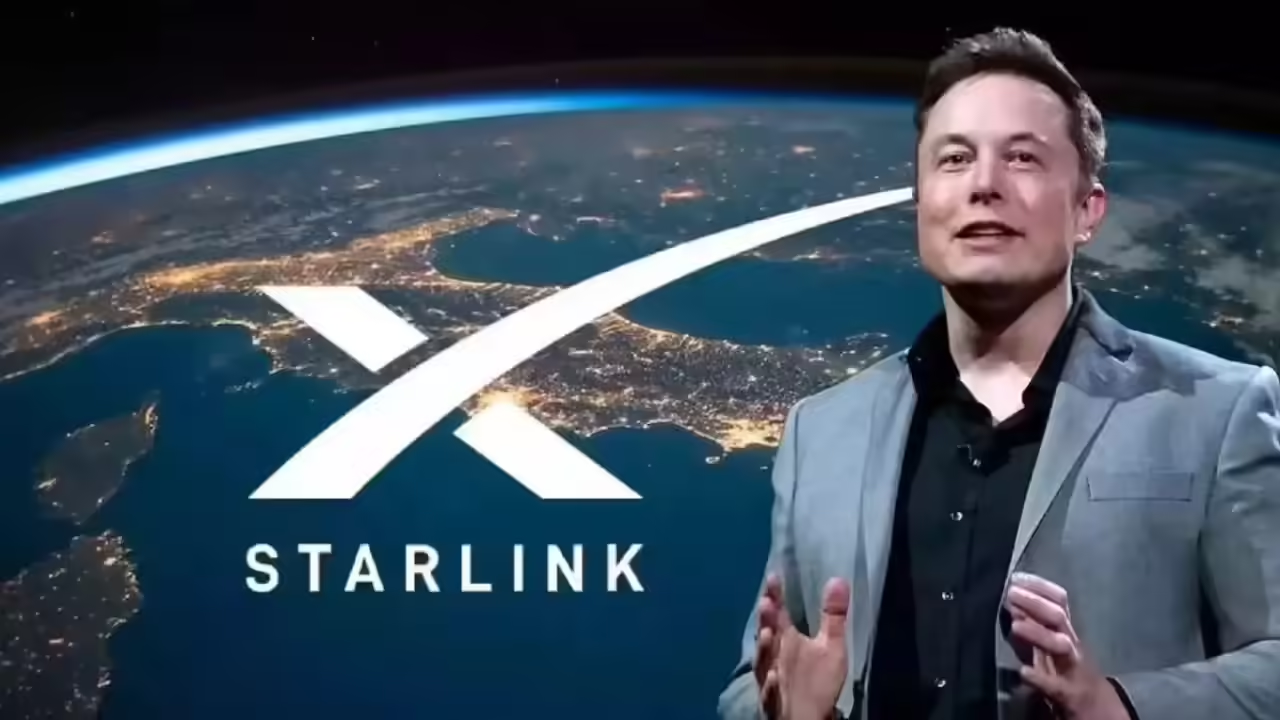
Elon Musk’s Starlink is preparing to launch high-speed satellite internet services across India, promising to revolutionize connectivity in one of the world’s most populous countries. The ambitious project involves setting up nine ground stations in major cities, completing rigorous security trials, and ensuring the system meets all regulatory standards before rollout. Once operational, Starlink will provide reliable internet access to both urban centers and India’s most remote rural regions, bridging the digital divide and enabling new opportunities for education, business, and communication.
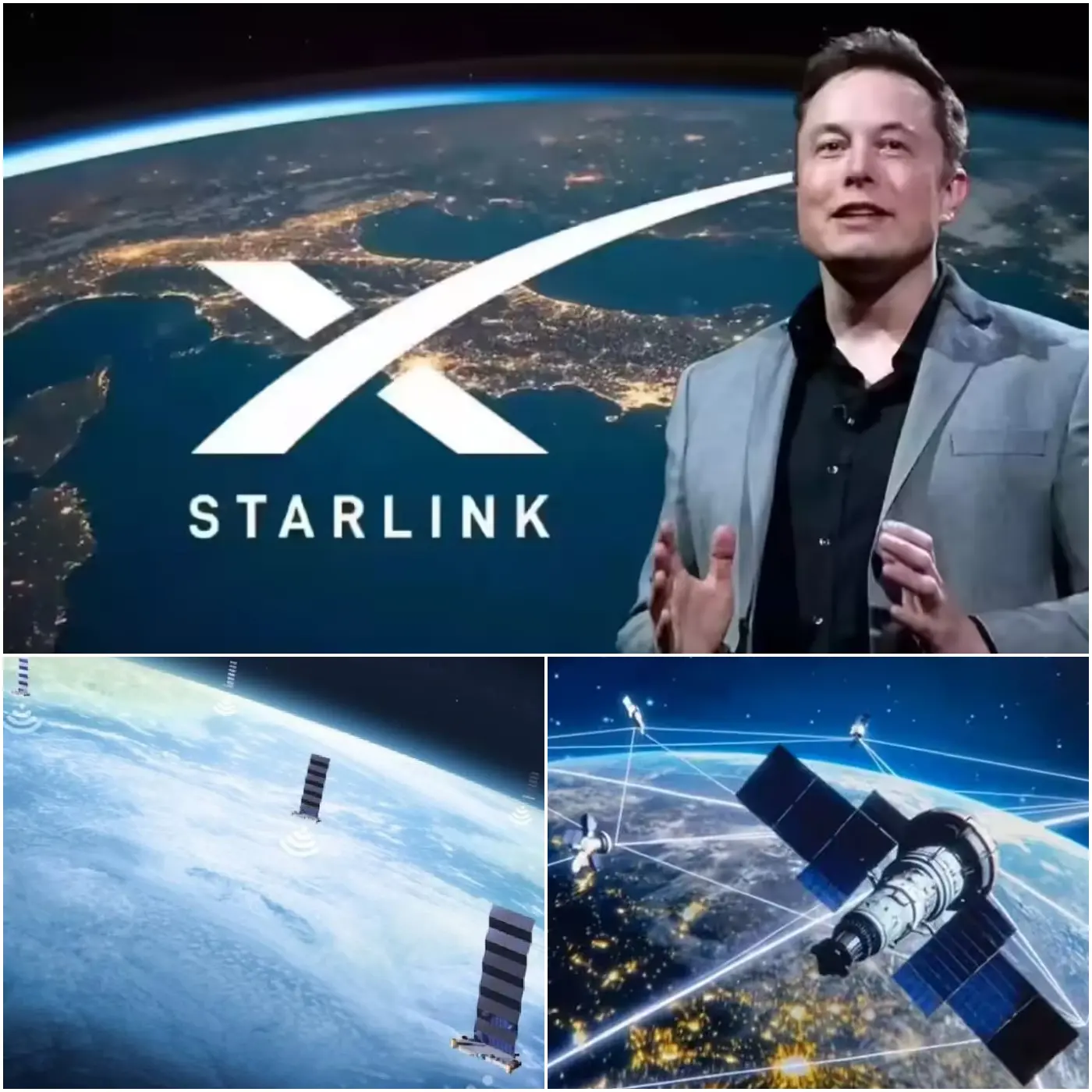
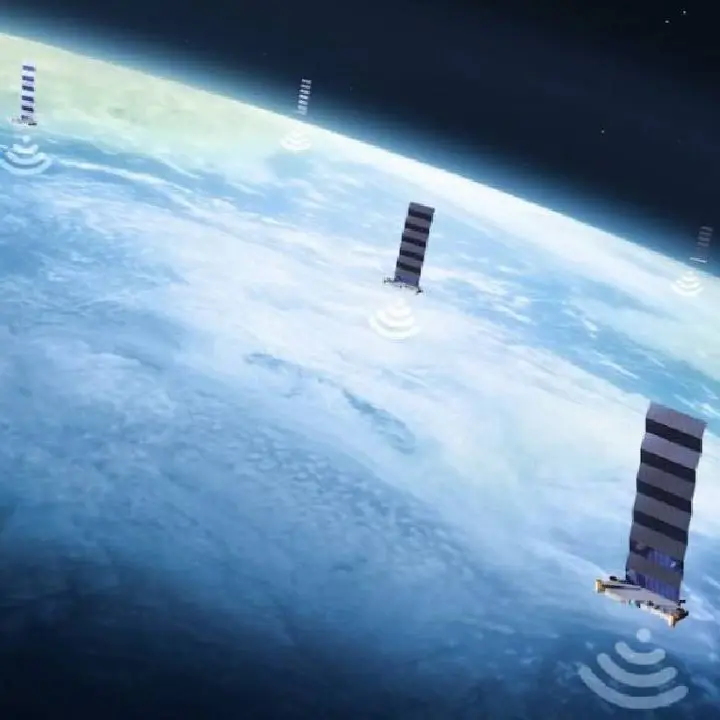
Starlink’s arrival in India represents a major leap in the country’s technological infrastructure. Many rural areas and underserved regions currently suffer from slow or unreliable internet connections, limiting access to digital services. By leveraging low-earth orbit satellites, Starlink can bypass traditional fiber networks, delivering high-speed internet to locations previously considered unreachable. Experts predict that this could dramatically improve online education, telemedicine, e-commerce, and government services in rural communities, transforming the way people live, work, and interact in the digital age.
The rollout of Starlink in India will involve establishing nine strategically located ground stations to ensure optimal coverage and connectivity. These stations will act as critical hubs, linking the satellite network to terrestrial infrastructure and managing data traffic. Each station undergoes thorough security and performance testing to comply with Indian regulatory requirements. By carefully monitoring network stability and safety, Starlink aims to provide users with consistent, high-speed internet while maintaining compliance with local laws and addressing concerns regarding data privacy and cybersecurity.
Musk’s Starlink has already proven successful in other countries, demonstrating the ability to provide reliable internet in remote or underserved regions. In India, the impact could be even more significant due to the country’s large population and geographic diversity. Remote villages, mountainous regions, and islands often lack consistent broadband access, making digital inclusion difficult. With Starlink, millions of Indians could finally experience high-speed internet, opening doors for online education, remote work, business opportunities, and social connectivity, transforming lives in previously disconnected communities.
The potential economic impact of Starlink in India is considerable. Improved internet access can boost entrepreneurship, enable small businesses to operate online, and attract investments in digital services. Farmers, for instance, could access weather forecasts, market prices, and agricultural resources online. Students in remote areas could participate in virtual classrooms and access educational materials. Moreover, reliable connectivity can help bridge socioeconomic gaps, providing marginalized communities with tools and resources to improve quality of life and participate fully in the digital economy, fostering long-term national development.
Starlink’s technology relies on low-earth orbit satellites, which reduce latency and provide faster connections compared to traditional satellite internet. The network’s advanced design ensures minimal delays, making it suitable for real-time applications such as video calls, online gaming, and live streaming. This technological advantage is crucial for India, where high-speed connectivity can support both urban and rural populations. By combining innovative satellite technology with local infrastructure, Starlink is poised to offer a seamless internet experience, overcoming limitations that have historically hindered connectivity in vast and diverse regions.
The Indian government has closely monitored the Starlink rollout to ensure compliance with national regulations. Approvals and security trials are necessary to maintain safe operation within Indian airspace and to protect data privacy. Once these trials are completed and regulatory approvals are granted, Starlink’s services can expand rapidly across the country. Government collaboration and oversight are essential to balance innovation with security concerns, ensuring that Starlink not only provides high-speed internet but also operates responsibly and transparently, respecting local laws and safeguarding user data.
Social media and technology communities in India have reacted with excitement to the Starlink announcement. Users are eager for faster, more reliable internet, especially in areas that have struggled with slow connections for years. Analysts predict a surge in demand once the service becomes available, as Starlink could become a key alternative to existing ISPs. Discussions have also focused on the transformative potential for industries such as education, healthcare, and e-commerce, where connectivity gaps have limited access to essential services and hindered growth opportunities.
Starlink’s introduction in India also raises questions about affordability and accessibility. While the technology promises high-speed internet in remote areas, subscription costs must be manageable for widespread adoption. Musk has previously emphasized making Starlink accessible to underserved populations, and efforts in India will likely follow this vision. By balancing advanced technology with affordability, Starlink could reach millions of users who have previously been excluded from digital services, ensuring that the benefits of high-speed connectivity are shared broadly and contribute to inclusive growth.
In conclusion, Elon Musk’s Starlink launch in India represents a significant milestone for global connectivity and digital inclusion. By providing high-speed internet to urban and remote regions, the platform addresses longstanding gaps in access and empowers millions of Indians with new opportunities for education, work, and communication. Regulatory compliance, strategic ground stations, and advanced satellite technology ensure reliability and safety. Starlink’s entry into India has the potential to transform lives, bridge digital divides, and set a precedent for satellite internet adoption in other countries around the world.