Penske Entertainment Disappointed That Plans to Bring IndyCar Back to Mexico in 2026 Were Canceled Due to the World Cup, But Still Left Open the Possibility of Holding It in the Near Future, Asserting That the Opportunity Is Not Closed
In a development that has reverberated through the motorsports world, Penske Entertainment, the governing body behind the NTT IndyCar Series, has officially shelved its ambitious plans to return the high-octane open-wheel racing spectacle to Mexico City in 2026. The decision, announced in mid-September 2025, stems directly from the logistical juggernaut that is the 2026 FIFA World Cup, a tournament co-hosted by the United States, Canada, and Mexico. While the cancellation marks a significant setback for fans eagerly anticipating the roar of IndyCar engines at the storied Autódromo Hermanos Rodríguez, series officials remain resolute in their commitment to making it happen, emphasizing that the door to a Mexican Grand Prix-style event is far from slammed shut.
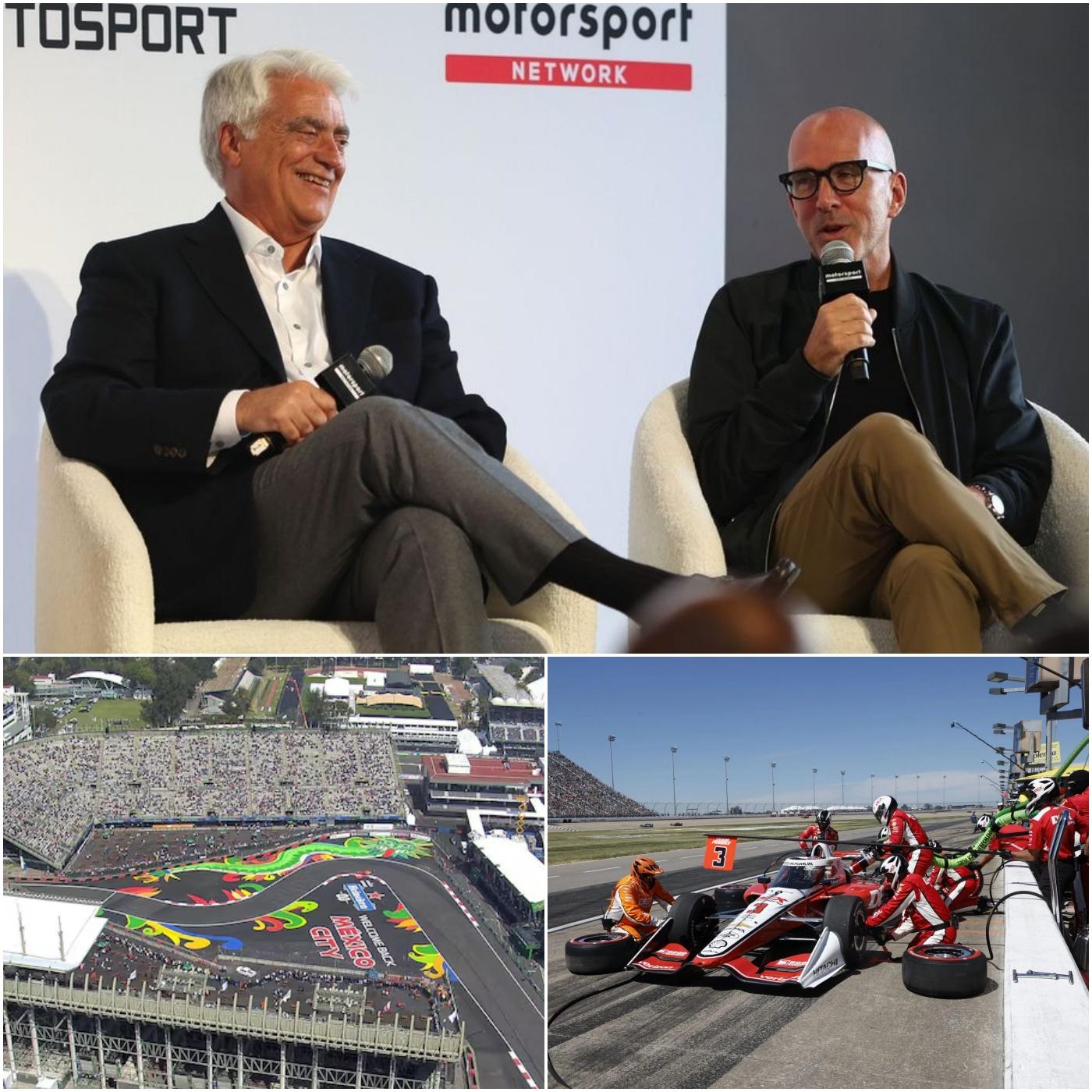
The backstory to this disappointment traces back over a year, when initial negotiations ignited hope for IndyCar’s re-entry into the Mexican racing scene. The Autódromo Hermanos Rodríguez, a circuit synonymous with adrenaline-fueled duels and fervent crowds, last hosted American open-wheel racing in 2007 as the finale of the Champ Car World Series before its merger with IndyCar. Since then, the venue has become a global hotspot, playing host to Formula 1’s Mexican Grand Prix and drawing massive international audiences. For Penske Entertainment, reviving IndyCar there represented not just a nod to history but a strategic expansion into a market brimming with untapped potential. Mexico boasts a passionate motorsports heritage, fueled by legends like Pedro Rodríguez and modern stars who could bridge cultural divides.
Mark Miles, President and CEO of Penske Entertainment Corp., articulated the organization’s frustration in a candid statement released on September 13, 2025. “For more than a year, we have been working diligently to bring the NTT INDYCAR SERIES to Mexico City’s Autódromo Hermanos Rodríguez,” Miles said. He highlighted the “extensive progress” achieved in talks with the venue’s operators and a prospective promoter, including a high-profile site visit by series executives just weeks prior. Yet, the shadow of the World Cup loomed large. Scheduled from June 11 to July 19, 2026, the expanded 48-team extravaganza will transform Mexico City into a soccer epicenter, with the iconic Estadio Azteca—adjacent to the racetrack—hosting the opening match and several knockout rounds. The influx of millions of visitors, stringent security measures, and overwhelmed infrastructure would have made staging a concurrent motorsport event a Herculean task, if not impossible.
The scheduling clash proved insurmountable. IndyCar’s traditional calendar clusters summer races to capitalize on optimal weather and fan availability, but the World Cup’s grip on those prime dates left no viable window. Available slots outside the tournament period risked suboptimal conditions or diluted attendance, undermining the goal of delivering a “world-class and highly engaging race weekend,” as Miles described it. This isn’t an isolated hurdle; NASCAR, IndyCar’s stock car counterpart, also abandoned its own 2026 Mexico City ambitions for similar reasons, opting instead for a one-off event in 2025. The ripple effects extend beyond logistics, touching on economic considerations. Hosting an IndyCar race could inject millions into local tourism and sponsorships, but clashing with the World Cup—a event projected to generate over $5 billion in North American revenue—would fragment resources and fan focus.
At the heart of the letdown is Pato O’Ward, the Monterrey native and Arrow McLaren driver whose No. 5 Chevrolet has become a symbol of Mexican pride in IndyCar. O’Ward, a two-time race winner and the series’ only full-time Mexican competitor, has been a vocal champion for bringing the series home. “No one wants a race in Mexico more than me,” he declared in response to the announcement, his words carrying the weight of personal investment. O’Ward envisions a triumphant homecoming where he could thrill compatriots with the same daring overtakes that have defined his career, from his breakout podiums to his near-miss at the 2024 Indianapolis 500. Yet, even he acknowledged the prudence of the delay. “But we want to create an incredible event that is built to last. That requires the right date and the right year for fans and sponsors to fully get behind our sport,” O’Ward added. His resolve shines through: “I’m motivated to carry this effort forward and take part in a future race in my home country.”
Penske Entertainment’s optimism tempers the immediate gloom. Miles was unequivocal in leaving the possibility ajar, stating, “While we absolutely want to race in Mexico, we also want to ensure everyone involved feels the conditions are in place… We will keep working to bring our racing to Mexico and hope for an event to be on the schedule as soon as the right opportunity presents itself.” Recent comments from series leadership, including an October 2025 interview with Miles, reinforce this stance, with insiders pointing to 2027 as a prime candidate. The post-World Cup landscape could offer clearer skies, allowing for seamless integration into IndyCar’s evolving calendar, which already spans 17 events across North America in 2025.
This saga underscores broader challenges in global motorsports expansion. IndyCar, long focused on its North American stronghold, has flirted with international forays—once racing in Australia and Japan—but now prioritizes regional growth amid rising broadcast deals and attendance booms. The 2025 season shattered records, with Fox Sports’ coverage drawing peak viewership of over 2 million for the Indy 500, and events like the Milwaukee Mile 250 packing grandstands to capacity. A Mexican race fits neatly into this vision, potentially rivaling the Toronto street circuit’s energy while tapping into a demographic where soccer and speed converge.
For Mexican fans, the wait is bittersweet. Social media erupted with frustration post-announcement, hashtags like #IndyCarEnMexico trending alongside pleas for perseverance. Yet, the sentiment echoes O’Ward’s: quality over haste. As the 2026 IndyCar schedule takes shape—anchored by the May 24 Indianapolis 500—the series eyes other enhancements, from hybrid engine tech to enhanced safety protocols. Mexico remains a tantalizing prospect, a fusion of cultural resonance and competitive fire that could redefine IndyCar’s footprint.
In the end, this cancellation isn’t a full stop but a comma in an ongoing narrative. Penske Entertainment’s door remains cracked open, inviting collaboration and patience. When the checkered flag finally waves over the Autódromo Hermanos Rodríguez for an IndyCar event, it promises to be a celebration worth the delay—one that honors the past, ignites the present, and accelerates toward a vibrant future.