“OFFICIAL” IndyCar is expected to finalise its independent governing body in “a few weeks” to avoid “image challenges” following Team Penske’s Indy 500 scandal.
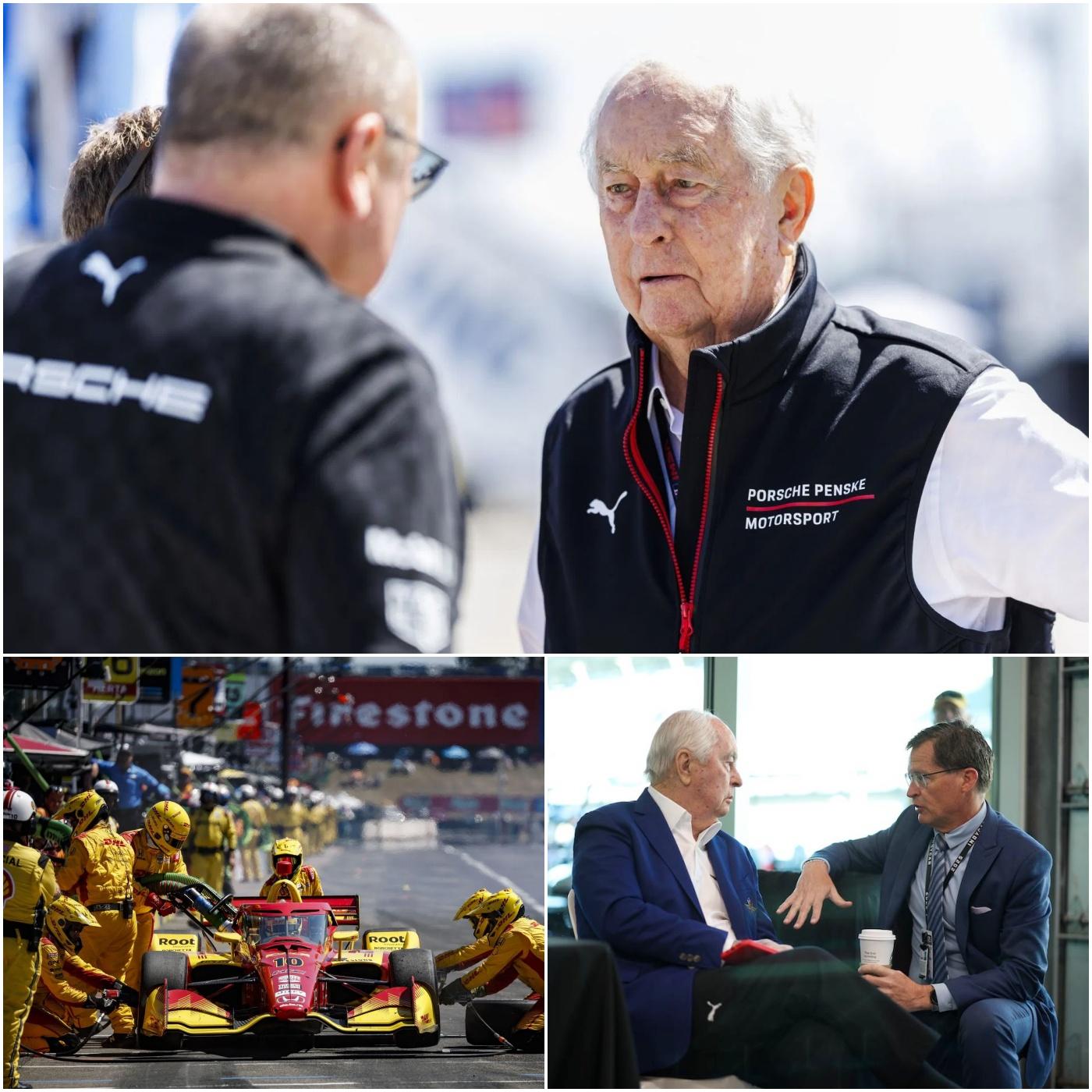
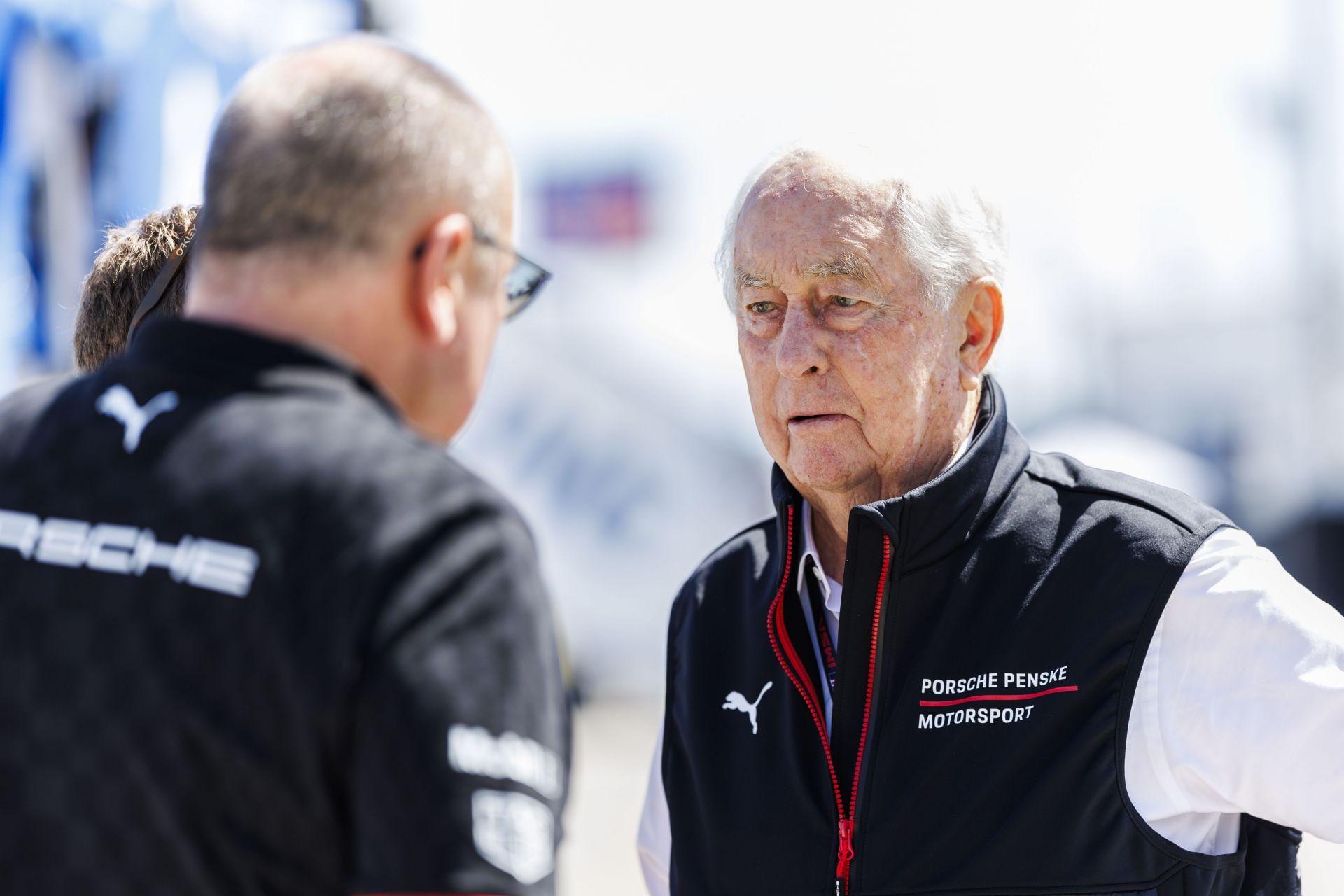
In a pivotal move to restore faith in the sport’s integrity, IndyCar officials have announced that the series is on the cusp of finalizing an independent governing body, a development expected within a few weeks. This step comes as a direct response to the lingering fallout from Team Penske’s high-profile cheating scandal at the Indianapolis 500, which has cast a long shadow over the open-wheel racing championship. The creation of this autonomous entity aims to eliminate perceptions of favoritism and address the “image challenges” that have plagued the series since Roger Penske’s acquisition of the Indianapolis Motor Speedway in 2020.
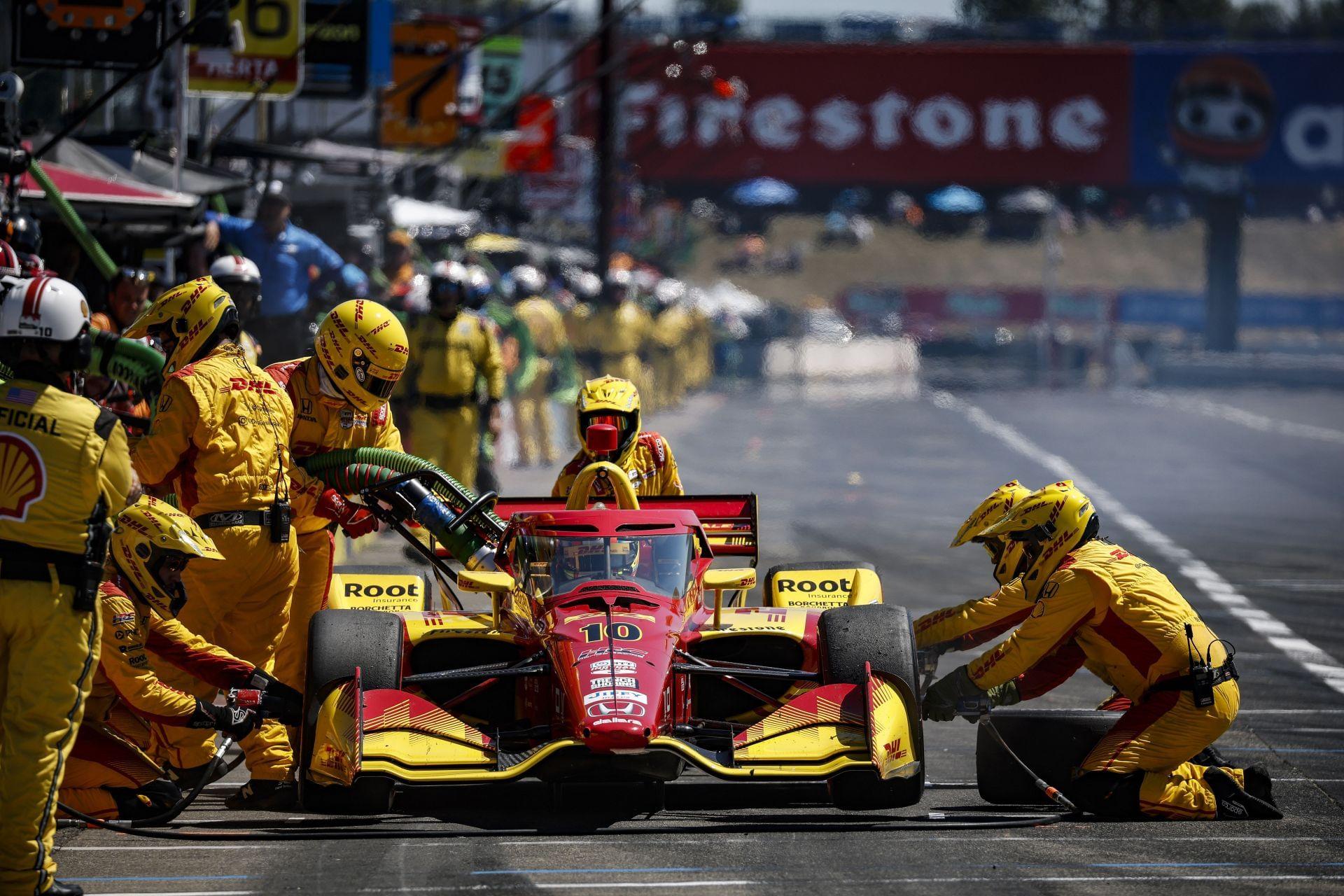
The scandal erupted in May 2025, just days before the 109th running of the Indy 500, when technical inspectors disqualified two Team Penske entries—driven by defending champion Josef Newgarden and veteran Will Power—from qualifying after discovering unauthorized modifications to the cars’ rear attenuators. These spec parts, supplied uniformly to all teams to ensure parity, had been altered with a smoothing material that filled in gaps, potentially offering a slight aerodynamic edge. Although officials emphasized that the infraction was unlikely to have provided a significant on-track advantage, the violation marked the second major breach by Penske within a year, following a 2024 incident involving illegal “push-to-pass” software that led to disqualifications at the season opener in St. Petersburg.
Rival teams wasted no time voicing their frustrations, alleging that Penske’s dual role as team owner and series proprietor created an inherent conflict of interest. “We’ve been raising flags for months,” said one anonymous team principal, echoing sentiments shared across the paddock. Photographs circulated among competitors purportedly showing the modifications on Penske cars dating back weeks, with some claiming they had alerted inspectors prior to the discovery. The optics were damning: a powerhouse team, backed by the man who controls the series’ governance, seemingly skirting rules under the nose of its own oversight.
In the scandal’s immediate aftermath, Roger Penske acted decisively, parting ways with three top executives from his IndyCar operation: team president Tim Cindric, managing director Ron Ruzewski, and general manager Kyle Moyer. Cindric, a Penske stalwart since 1999 who had risen to oversee Penske Performance, was particularly singled out for his oversight lapses. “Nothing is more important than the integrity of our sport and our race teams,” Penske stated in a terse release. “We have had organizational failures over the last two years, and we had to make necessary changes. I apologize to our fans, our partners, and our organization for letting them down.” The firings, announced just five days before the Indy 500, stunned the racing world and forced strategists for Newgarden, Power, and teammate Scott McLaughlin to sit out the crown jewel event.
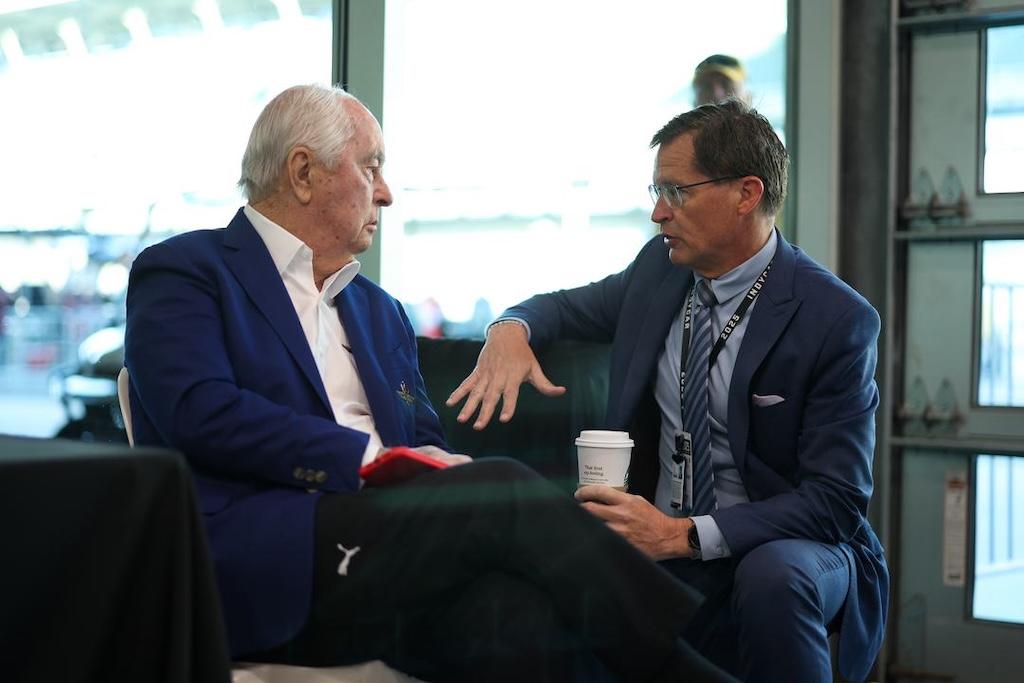
IndyCar president Doug Boles, who assumed the role in February 2025 while retaining his post as IMS president, addressed the controversy head-on during a press briefing on May 21. Acknowledging a “miss” by the technical team— which had overlooked the safety-related attenuator area in routine checks—Boles revealed that discussions about independent governance had been underway for months. “We have been working very, very hard to create an entity, an officiating entity, and by officiating I mean race control and tech inspection, that is completely removed from anything that has to do with Penske Entertainment, or Roger Penske, or the Indianapolis Motor Speedway in the IndyCar series,” he explained. The goal, Boles stressed, is to establish an oversight committee wholly detached from corporate influence, ensuring no room for accusations of bias.
This evolution toward separation mirrors models in other motorsports. Formula 1, for instance, delegates regulatory authority to the FIA while Liberty Media handles commercial aspects, a structure credited with bolstering credibility amid intense scrutiny. NASCAR, governed by the France family, faces similar critiques but maintains a more integrated approach. In IndyCar’s case, the push for autonomy gained urgency after the Penske episodes eroded trust among teams and fans alike. A $200,000 fine levied against Penske was redistributed to community causes, including the Boys & Girls Clubs of Indianapolis, the Indy Benevolent Fund for crew support, and Women in Motorsports— a gesture that softened some blows but did little to quell demands for structural reform.
As of late October 2025, progress has accelerated. Sources close to the negotiations indicate that the independent body—tasked with race control, technical inspections, and rule enforcement—will be operationalized imminently, potentially by mid-November. This timeline aligns with Boles’ recent comments in a Forbes interview, where he described the initiative as nearing completion to preempt further reputational damage ahead of the 2026 season. “We’re committed to transparency and fairness,” Boles affirmed. “This isn’t just about fixing one issue; it’s about safeguarding the series’ future.”
Team owners, long vocal about governance concerns, have welcomed the development. Zak Brown of McLaren Racing, part of an owner subcommittee formed earlier in the year, praised the move as “a game-changer for parity.” Others, however, remain cautious, pointing to ongoing challenges like the series’ new media deal with Fox Sports and the development of the next-generation IndyCar chassis. The Fox partnership, inked for 2025, promises broader exposure but has drawn mixed reviews for its limited flagship network slots outside the Indy 500.
For drivers like Newgarden, who retained his 2024 Indy 500 victory despite the turmoil, the scandal has been a sobering reminder of the sport’s unforgiving spotlight. “We’ve owned our mistakes,” he said post-race, focusing on redemption. Power, ever the outspoken Australian, quipped that the episode “lit a fire under everyone to get this right.” As IndyCar hurtles toward its off-season, the finalization of this governing body represents more than bureaucratic tinkering—it’s a lifeline for a series striving to reclaim its luster.
The Indy 500, with its 300,000-strong crowds and global allure, cannot afford another misstep. By severing ties with potential conflicts, IndyCar signals a bold recommitment to equity, potentially ushering in an era of renewed competition and spectator trust. In the high-stakes world of oval racing, where milliseconds separate heroes from also-rans, independence isn’t just prudent—it’s essential.