
5 Inescapable Facts That Prove Horse Steeplechase Is Dangerous for Horses and Inhumane
Horse steeplechase racing, a grueling test of endurance where horses leap over formidable obstacles at breakneck speeds, has long been romanticized as a pinnacle of equine athleticism. Yet beneath the glamour of events like the Grand National or the Carolina Cup lies a stark reality of suffering and loss. Recent data from 2024 and early 2025 underscore an undeniable pattern: steeplechase imposes extraordinary risks on horses, far exceeding those in flat racing, while perpetuating practices that prioritize spectacle over welfare. As animal rights groups intensify calls for reform, five irrefutable facts reveal why this “sport of kings” often feels more like a sentence to torment for the horses involved.
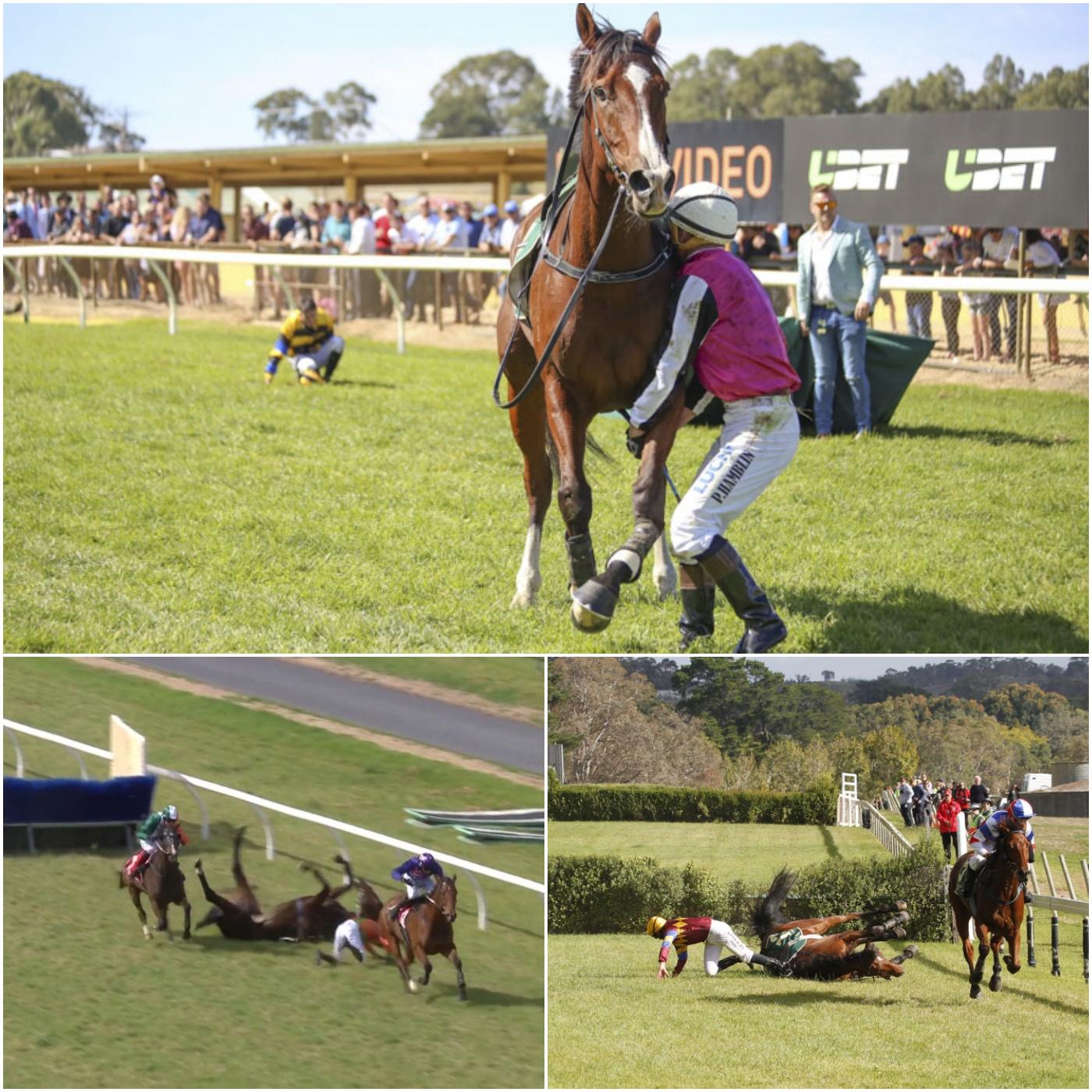
First, the fatality rates in steeplechase are alarmingly high, dwarfing those in non-jumping races and signaling a systemic danger embedded in the format itself. According to the British Horseracing Authority, modern steeplechase events average just over four equine fatalities per 1,000 horses participating—a rate that climbed by one-third in the five years leading to 2023, reaching 25 deaths per 1,000 starters, or roughly one per full field of 40 horses. In Victoria, Australia, the only region still permitting jumps racing, the 2024 season saw a record 10 on-track deaths among just 168 horses, translating to an average of 2.8 incidents—including falls, injuries, and fatalities—per horse. Globally, studies from New Zealand report 5.7 fatalities per 1,000 starts in jumps races, with fractures accounting for nearly 90% of cases. These numbers aren’t anomalies; a 2025 analysis of British jump racing from 2010 to 2023 confirmed incidences between 3.3 and 5.7 per 1,000 starts, a persistent hazard unchanged by minor tweaks like fence modifications. Horses aren’t just statistics—they’re living beings pushed to collapse, their bodies shattering mid-stride in pursuit of human glory.
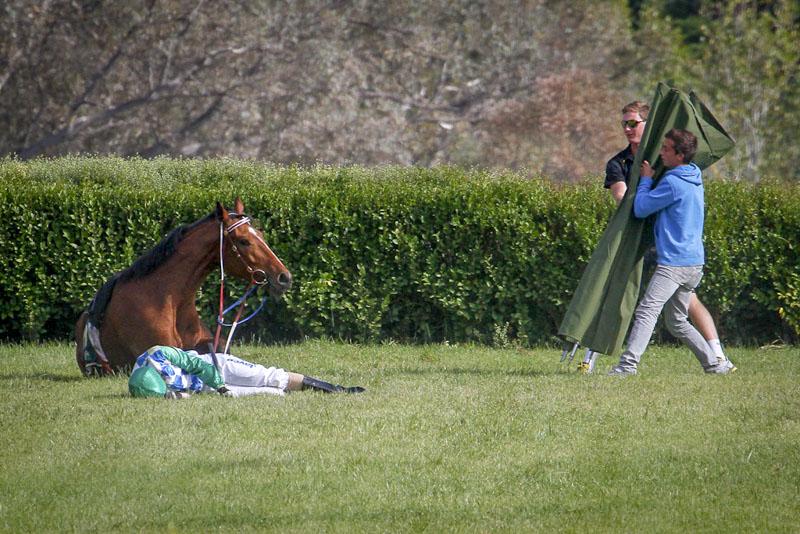
Compounding this lethality is the second fact: falls occur with devastating frequency, turning every obstacle into a potential catastrophe. In Victorian steeplechases during 2022-2023, horses tumbled at a rate of 41.6 per 1,000 starts—over 40 times higher than the zero fall-related fatalities in flat races at the same meets. Hurdles fared slightly better at 24 falls per 1,000, but both pale in comparison to safer disciplines. A 1999 UK study of over 10,000 steeplechase starts logged 647 falls, linking them to factors like track conditions, fence height, and horse fatigue—elements largely within organizers’ control yet rarely overhauled. When a horse falls, the consequences are immediate and irreversible: shattered legs, spinal trauma, or internal hemorrhaging that demands on-site euthanasia. The 2025 Carolina Cup Steeplechase in South Carolina claimed one such victim, a stark reminder that even “prestigious” events can’t escape this grim lottery. Advocacy groups like Animal Aid document hundreds of such incidents annually across Britain alone, arguing that no safety net can justify the terror of a 1,000-pound animal hurtling toward disaster.
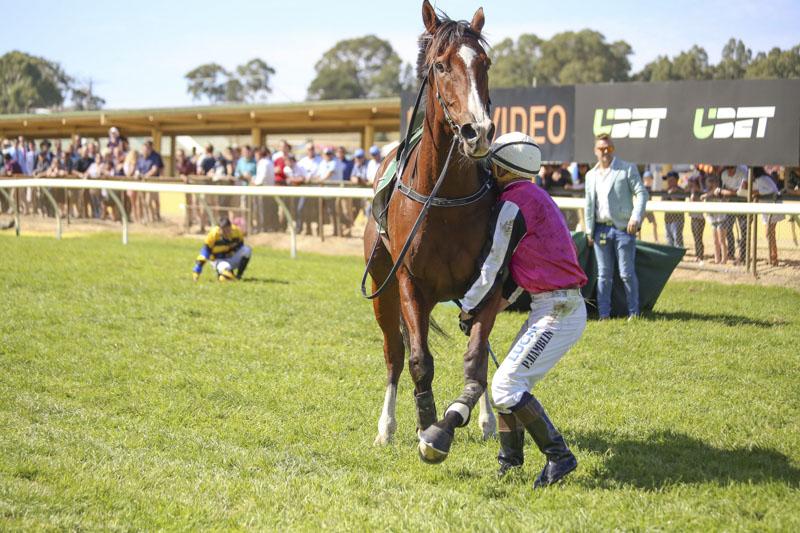
Third, the physical toll manifests in chronic, career-ending injuries that linger far beyond the track, eroding any pretense of humane treatment. Superficial digital flexor tendonitis, a bowed tendon inflammation, strikes up to 30% of Thoroughbreds in training, but it’s epidemic in steeplechasers due to the explosive landing forces after jumps. Fractures dominate, with 44 of 51 New Zealand fatalities from 2010-2023 stemming from broken bones, often in races exceeding 4,200 meters where exhaustion amplifies risk by fivefold. These aren’t quick recoveries; horses endure months of pain, surgery, and confinement, only for many to face retirement—or worse. The RSPCA highlights how self-regulated industries like racing often overlook long-term distress, from stress-induced ulcers to lameness that shadows survivors for life. Inhumane? Absolutely, when the “reward” for survival is a lifetime of vulnerability, subsidized by an industry that discards the broken.
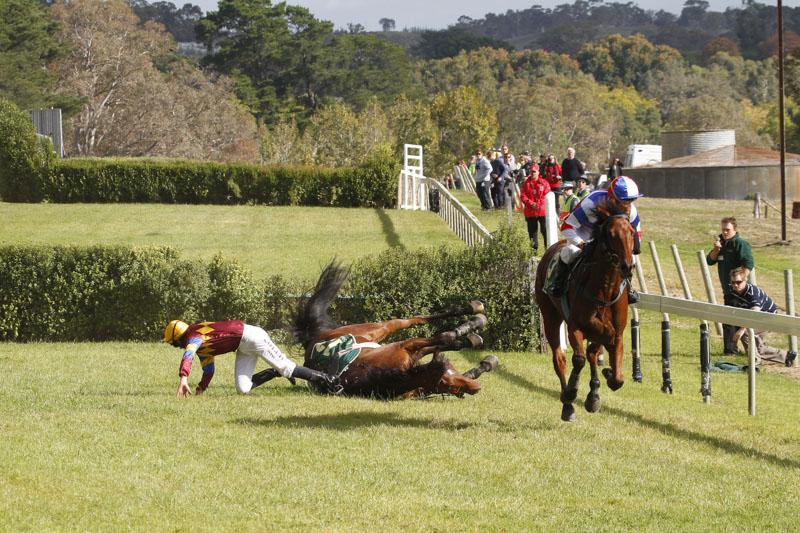
This leads to the fourth inescapable truth: steeplechase demands unnatural exertion from animals bred for speed, not survival over artificial barriers, breeding inherent cruelty into the sport’s DNA. Horses are herd grazers evolved for steady trots across plains, not four-mile sprints leaping 4-foot hedges at 30 miles per hour. Welfare experts, including those from the League Against Cruel Sports, decry how this violates equine nature, forcing psychological strain alongside physical—evident in behaviors like shaking or refusal at gates, signs of learned fear akin to trauma. A 2020 photo-elicitation study revealed animal advocates spotting welfare red flags in everything from whip marks to conformational flaws exacerbated by selective breeding for fragility. Whips, jiggers (illegal shock devices causing lasting pain), and relentless training regimes compound the abuse, as noted by PETA and World Animal Protection, turning instinctual flight into coerced agony. Far from “natural athleticism,” steeplechase warps horses into machines, their mental states—key to true welfare—sacrificed for bets and cheers.
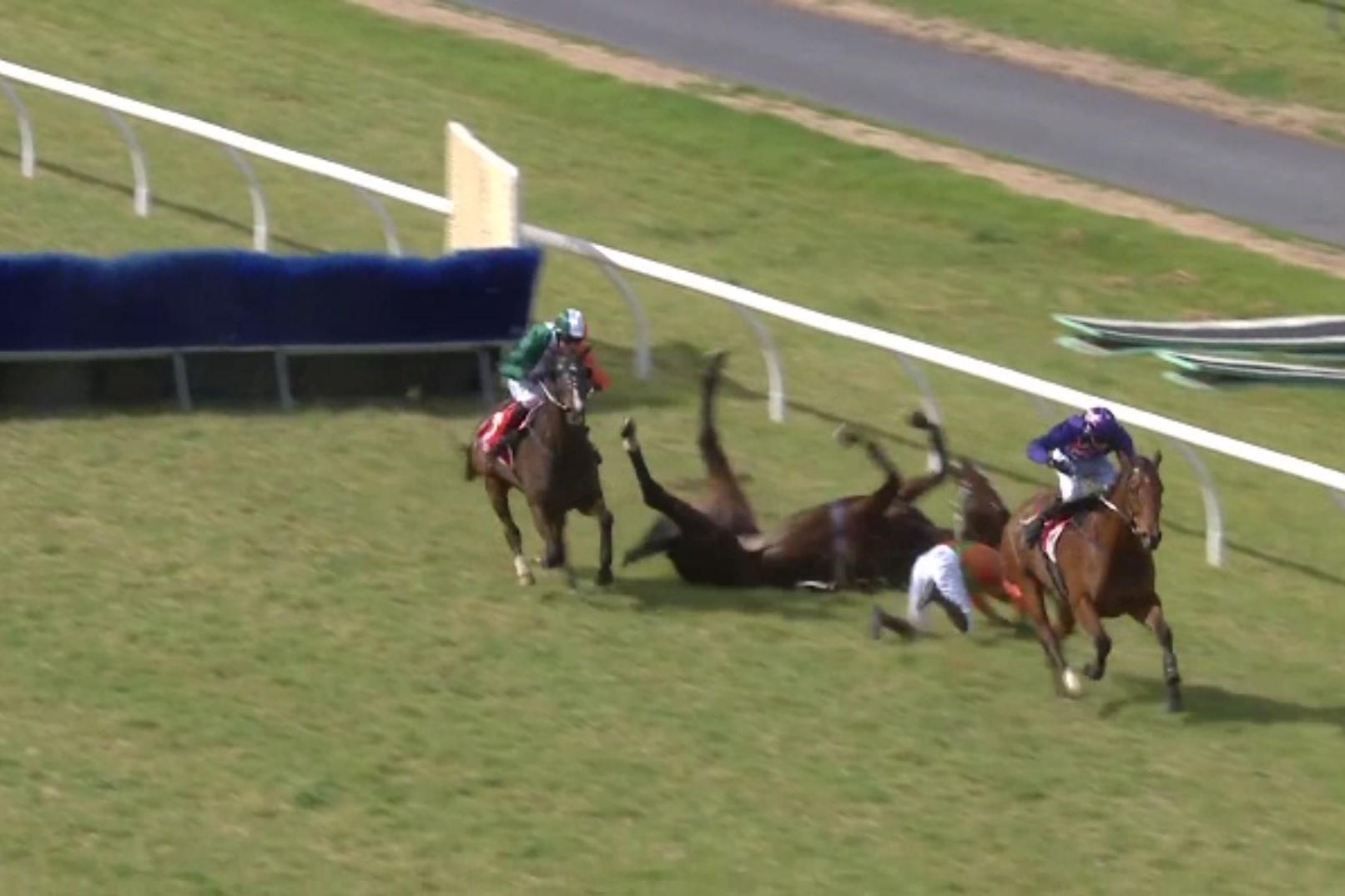
Finally, the industry’s indifference to post-race fates seals its inhumane legacy, with “wastage” horses funneled into slaughter or neglect at rates that shock even hardened observers. Annually, thousands of ex-racers—bred en masse but deemed unprofitable—face auctions, export to Mexico or Canada for meat, or abandonment, as exposed by a 2019 ABC investigation in Australia. In the U.S., an estimated 10,000 Thoroughbreds meet this end yearly, with steeplechasers particularly vulnerable due to jump-induced wear. Despite promises of retraining, funding evaporates; Victoria’s 2024 review ignored these downstream horrors while greenlighting another deadly season. The Grand National exemplifies this: 88 horse deaths since 2000, yet reforms lag, prioritizing “tradition” over traceability. As one advocate put it, it’s “animal suffering for human entertainment,” a cycle where welfare is rhetoric, not reality.
These facts aren’t relics of a bygone era; they’re etched in 2025’s tracks—from the Aintree festival’s opening-day fatality of Willy De Houelle to ongoing tallies by groups like Horseracing Wrongs. While flat racing has seen fatalities dip to 1.11 per 1,000 starts in 2024, steeplechase clings to peril, unyielding to pleas from the RSPCA, PETA, and everyday observers. Calls for bans in Australia and independent oversight in Britain grow louder, yet the spectacle endures. Horses deserve better than this gilded cruelty—a life of meadows, not mayhem. Until steeplechase confronts these truths head-on, it remains not a sport, but a stain on our shared compassion.