
Tesla CEO Elon Musk is facing intense scrutiny over his new pay package, which could make him the world’s first trillionaire. Shareholders are set to vote on November 6, with many groups urging a “No” vote due to the plan’s astronomical value.
The Take Back Tesla movement highlights how Musk’s proposed compensation far exceeds typical executive pay. “The median annual compensation of Tesla employees is $57,243,” the group states. “An employee would need to work over 1.7 million years to match Musk’s yearly earnings under this plan.”
The compensation plan is tied to ambitious milestones. Musk must remain at Tesla for ten years and achieve aggressive company goals to unlock the full pay. If successful, his total compensation could reach $900 billion, shocking both investors and the public.
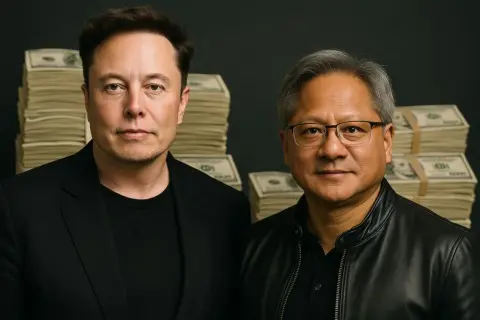
Critics compare Musk’s potential pay to other industry leaders. Nvidia CEO Jensen Huang earned just under $50 million last year. The Take Back Tesla movement emphasizes that Musk’s package is more than 2,000 times that amount, a staggering disparity in executive compensation.
Tesla’s market value is central to the plan. Achieving Musk’s pay milestones would imply Tesla reaching $8.5 trillion, nearly double Nvidia’s $4.5 trillion market cap. These targets reflect an unprecedented level of growth that many investors question as realistic or sustainable.
Shareholder opposition has intensified due to Musk’s political activities. Critics argue that his public statements and political involvement have distracted him from Tesla leadership. “Elon Musk’s actions have damaged Tesla’s brand,” the Take Back Tesla movement said, calling for accountability.
Institutional Shareholder Services (ISS) and Glass Lewis, the two largest advisory groups, have publicly recommended shareholders vote against Musk’s pay. Their stance adds credibility to the concerns raised by unions and public interest organizations supporting the Take Back Tesla movement.
Several major labor groups back the movement, including the American Federation of Teachers and the Communication Workers of America. Together, they represent around 2.5 million workers, many of whom may own Tesla shares through pensions or retirement accounts.
The Take Back Tesla website uses comparisons to highlight inequality within the company. “The median Tesla worker earns $57,243, while Musk could make close to $100 billion annually,” the site notes. Such comparisons aim to encourage shareholders to question fairness and corporate responsibility.
Tesla has defended the compensation plan, arguing that Musk receives nothing unless the company achieves substantial success. “Elon receives nothing unless shareholders win big,” the company tweeted. Tesla emphasizes that the pay package is entirely performance-based, tying rewards to company growth.
Musk has criticized advisory firms, calling ISS and Glass Lewis “corporate terrorists.” He argues these organizations vote along political lines rather than focusing on shareholder interests. Musk insists that following their recommendations in the past would have been destructive for Tesla.
Shareholders are being asked to consider the broader implications of the pay plan. The Take Back Tesla movement emphasizes reducing excessive wealth concentration and holding executives accountable, especially when compensation reaches levels far beyond average employees’ lifetimes.
The movement also warns about corporate political power. Musk’s activism and public statements have influenced public perception and, critics argue, risked Tesla’s reputation. Shareholders are encouraged to oppose board nominees who fail to hold Musk accountable for political or financial risks.
Tesla’s stock performance is a major factor in the compensation plan. Milestones tied to market capitalization and company value growth must be achieved before Musk can receive the full package. This makes the plan highly dependent on continued market success and innovation.
Despite the criticism, Musk and Tesla emphasize that the plan incentivizes company growth. High compensation is contingent on hitting aggressive targets, ensuring that shareholders benefit if the company achieves significant milestones. The plan is presented as mutually beneficial in theory.
The compensation debate raises broader questions about executive pay in the tech industry. Musk’s plan highlights growing disparities between CEOs and ordinary workers, sparking discussions about wealth distribution, corporate governance, and fairness in shareholder-driven companies.
Take Back Tesla stresses shareholder responsibility. They urge institutional investors and pension funds to vote “No” and hold Tesla’s board accountable. Their campaign focuses on the moral and financial implications of approving compensation packages that appear astronomically disproportionate.
Musk’s potential earnings would eclipse most countries’ GDPs. If all milestones are met, his annual pay could approach $100 billion, surpassing the total compensation of most corporate leaders combined. This has fueled public outrage and global media coverage.
The debate over Musk’s pay is likely to intensify ahead of the November 6 vote. With unions, public interest groups, and advisory firms aligned against the plan, Tesla’s shareholders face pressure to evaluate both financial and ethical considerations before voting.
The Take Back Tesla movement frames the vote as a test of corporate accountability. By comparing Musk’s pay to average employees and industry peers, the movement aims to engage shareholders emotionally and rationally, urging them to oppose what they consider an excessive plan.
Ultimately, the outcome of the vote could set a precedent for executive compensation in the technology sector. If approved, Musk’s plan may redefine corporate incentives. If rejected, it could strengthen shareholder influence and promote more equitable compensation practices across industries.